
.jpg)
Blogs
Explore High-Quality Pop-Up Tents for Camping and Outdoor Use
Today’s campers, families, and event planners don’t have patience for lengthy setting up times for camping. Life has become fast and customers prefer ease. They want solutions that unfold quickly, perform reliably, and disappear just as easily when the moment passes. That is precisely why the demand for pop up tents is at an all-time high.
But not all pop-up tents have the same quality. Some collapse under pressure literally. Others endure wind, rain, heat, and repeated use without flinching. The difference lies in design, materials, and manufacturing discipline.
In this blog, we will do an in-depth exploration of what pop-up tents are, how they work, and how to evaluate them like a professional buyer. Once you understand these fundamentals sourcing tents for retail or advising customers or even planning trips will become easy and quick. Because convenience alone isn’t enough for long-term use, performance is also really crucial.
What Is a Pop-Up Tent?
A pop-up tent is a self-supporting shelter designed to deploy in seconds using pre-attached frames and tensioned mechanisms. Instead of assembling poles one by one, users simply remove the tent from its bag and allow the structure to spring into shape.
Automatic tents rely on elastic steel or fiberglass frames that expand instantly. Instant tents use hub-based systems that lock into place with minimal effort. Both eliminate the friction that traditional tents create during setup. Conventional tents demand patience. Pop up models reward decisiveness.
Partner with a Reliable Pop Up Tents Supplier and Get Wholesale Pricing
Key Features
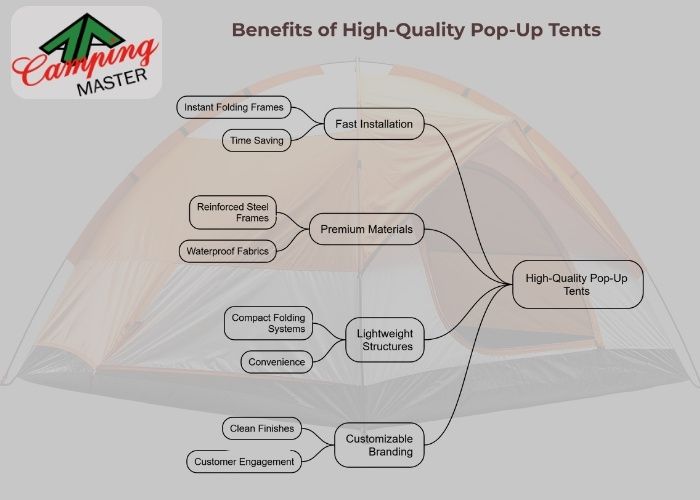
Pre-attached poles form the backbone of every pop-up tent, removing guesswork from assembly. Instant folding mechanisms allow the structure to open and collapse with controlled force. Lightweight frames keep total weight manageable without sacrificing stability. Compact storage bags make transport simple, especially for buyers moving between locations. These features don’t just improve convenience. They redefine the outdoor experience.
Benefits of High-Quality Pop-Up Tents
High-quality pop-up tents don’t merely offer shelter. They remove friction, reduce fatigue, and elevate the entire outdoor experience. For buyers, they also protect reputation and minimize returns. Let’s break down where the real value shows up.
Rapid Deployment That Preserves Momentum
Premium models deploy in seconds because their frames are precision-balanced and their locking systems engage cleanly. No struggling with bent poles is necessary and the tent rises within a brief moment.
This matters in real conditions, such as when rain approaches or daylight fades. The fast setup protects comfort and safety. For families, it prevents frustration. For professionals and event crews, it saves labor hours. Time recovered becomes experience gained.
Lightweight Portability Without Structural Compromise
Good pop-up tents travel is lightweight and easy to carry around. And truly high-quality ones have a sturdy construction, even if they are light.
Premium lightweight frames use engineered fiberglass or reinforced steel that keeps weight manageable while maintaining shape under stress. They also fold neatly within a compact carry bag which allows users to move from car to campsite or venue to venue seamlessly without experiencing travel fatigue. In contrast, cheap tents cut weight by thinning materials, making the tent flimsy.
Reliable Weather Protection Across Conditions
Weather exposure can be harsh on the tent and quality tents are made to handle that stress. Such tents have durable outer fabrics repel water and seam sealing that blocks infiltration points. Integrated ground sheets are part of the design and prevent moisture from creeping upward. UV-resistant coatings slow fabric degradation under prolonged sun exposure.
For withstanding winds, a top-quality tent usually has a frame with better tension and anchoring systems. Together, these features turn unpredictable environments into manageable ones. Users stay dry and camping gear stays protected, making the camping delays minimal. That reliability builds trust fast.
Interior Comfort That Extends Stay Time
Comfort is often overlooked in tent design but high-end tents have a whole set of features to deliver an above-average comfort level.
A smarter wall geometry is used to maximize usable interior space through a smarter wall. The tents also feature multiple ventilation panels to reduce condensation while maintaining airflow. Small details like zipper systems operating smoothly and rightly sized entry points deliver convenience that makes longer camping trips easier. All these features allow occupants to sit upright, organize belongings, and sleep without claustrophobia.
Beginner-Friendly Design That Expands Market Reach
Pop up tents attract first-time outdoor users because of their simple and straightforward design. But quality variants are a step ahead and also add intuitive folding systems, clear structural alignment, and predictable wrap-up sequences. For beginner-level campuses, these easy-to-deploy tents are a confidence booster. For tent sellers, this usability expands the customer base and drives repeated purchases. Even customer education is easier involving fewer instructions and fewer errors.
Long-Term Value That Protects Investment
Perhaps the most important and useful benefit is durability. High-quality pop-up tents resist fabric fatigue as they are made from wear-resistant fabric and zipper failure events are also non-existent. Moreover, they tolerate repeated folding and survive entire seasons rather than just long trips. For buyers, this translates into lower replacement rates and stronger brand loyalty. From a retailer’s point of view, it means fewer complaints and higher lifetime value per customer.
Why Quality Matters
Strong fabrics resist tearing and abrasion. Waterproof coatings prevent seepage during storms. Reinforced seams improve wind resistance. Over time, these details compound into real value. Cheap tents fail quietly. Quality tents perform repeatedly. Invest once. Benefit for years.
Types of Pop-Up Tents for Outdoor Use
Different environments demand different solutions. Understanding use cases helps buyers match design to demand.
Camping Pop Up Tents
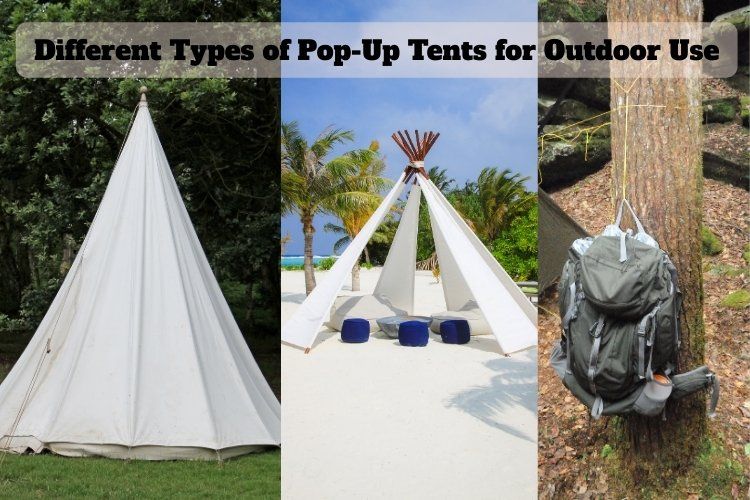
These models prioritize interior space and durability. Weekend campers favor quick setup after long drives. In family trips where more tent room is preferred, these tents provide ample space for sleeping, changing, and storing belongings. Well-designed camping pop up tents balance speed with structural integrity, making them a top-seller.
Beach and Festival Tents
Here, airflow and sun protection is the core emphasis in tent design and construction. Mesh panels allow ventilation. These tents also have UV-resistant fabrics for maximum shielding against extended sun exposure. Beach tents have the lightest frames of all variants that allow easy relocation as crowds shift or tides rise.
Backpacking Lightweight Tents
Compact design defines this category. Every gram counts. These tents fold small, carry easily, and deploy fast on uneven terrain. They serve hikers who demand efficiency without sacrificing shelter. Each type solves a different problem.
Essential Features to Look for Before Buying
Start with waterproof ratings and sealed seams. Without them, rain becomes an adversary. Fabric durability determines how well the tent withstands abrasion, repeated folding, and sun exposure.
Ventilation matters more than most buyers realize. Mesh windows prevent condensation buildup while improving airflow. Weight and packed size influence portability, especially for travel-focused users.
The setup mechanism should feel intuitive. Floor strength protects against moisture and sharp ground. UV protection extends fabric life while safeguarding occupants.
These features are not extras. They are performance indicators.
Pop Up Tent Size Guide
Size dictates comfort.
1–2 person: Solo/couples, compact footprint
3–4 person: Small families, more gear space
5+ person: Groups, extended stays
To calculate required space, account for sleeping area, gear storage, and movement clearance. A good rule: add one extra person’s worth of space beyond your headcount. Crowded tents kill experiences and make camping trips stressful so buying a tent of right size is vital for an enjoyable trip
How to Set Up a Pop-Up Tent Step by Step
1. Choose flat ground and clear sharp debris.
2. Remove from bag and let the frame expand in a controlled way.
3. Lock hubs/poles fully (partial locks cause mid-use collapses).
4. Stake first, then tension guy lines; especially in wind.
5. Keep hands clear of hinges and joint pinch points during deployment and takedown.
Best Uses of Pop-Up Tents
Pop up tents excel across environments. They support camping trips, hiking stops, beach outings, backyard gatherings, emergency shelter needs, and outdoor events or exhibitions.
Their speed makes them invaluable during sudden weather changes. Their portability supports mobile lifestyles. Their simplicity attracts first-time users. Few products adapt this fluidly.
Common Mistakes to Avoid When Buying
• Ignoring waterproof ratings leads to disappointment.
• Choosing the wrong size creates discomfort. Overlooking weight limits mobility.
• Low-quality options save money upfront but cost more through replacements.
• Skipping reviews removes real-world insight.
• Every shortcut has consequences.
• Smart buyers slow down before committing.
Conclusion
Pop up tents succeed because they remove friction from outdoor living. But success depends on choosing models built with intention, not compromise.
High-quality materials protect users. Thoughtful design improves usability. Proper sizing ensures comfort. When these elements align, pop up tents become trusted companions rather than disposable gear. For brands and buyers alike, the opportunity lies in supplying shelters that perform consistently across environments. Fast setup attracts attention. Durability earns loyalty. And loyalty, quietly, builds businesses.
Frequently Asked Questions (FAQ’s)
Are pop up tents really durable enough for regular outdoor use?
Yes, pop up tents are durable when you choose high quality products. A well constructed tent features strong fabric, reinforced seams, and a sturdy tensioned frame. It withstands wind, resists rain, and handles repeated folding without damage. Low quality tents wear out quickly, with bent poles, broken zippers, and thin fabric. Premium tents last for seasons, not just weekends.
How long does it actually take to set up a pop-up tent?
Most pop-up tents can be set up in under a minute, and some models open in as little as ten seconds. Simply remove the tent from the bag, guide the frame, and it quickly rises into place. There are no poles to assemble and no complicated steps to follow. Packing it down may take slightly longer than setup, which is normal, but with practice, the process becomes quick and easy.
Are pop up tents waterproof or just water-resistant?
It mainly depends on the tent’s construction quality. High quality models are fully waterproof, using coated fabric, sealed seams, and reinforced floors to keep rain out. In contrast, lower end tents only resist light moisture and may leak during heavy rain. Always check the waterproof rating and inspect the seam sealing before making a purchase.
Can pop up tents handle wind and rough weather?
Yes, pop up tents can handle wind when they are secured properly. High quality models use flexible frames that absorb strong gusts, while stakes and guy ropes provide added stability. Aerodynamic designs also help reduce wind resistance. However, no tent is completely invincible. Always anchor it firmly, avoid exposed areas, and pay attention to the weather forecast. Ignoring nature can lead to damage.
Important Resources
Request A Quote for bulk Order/Pricing