
.jpg)
Blogs
Moon Chair vs Camping Chair: Which Outdoor Chair Is Better?
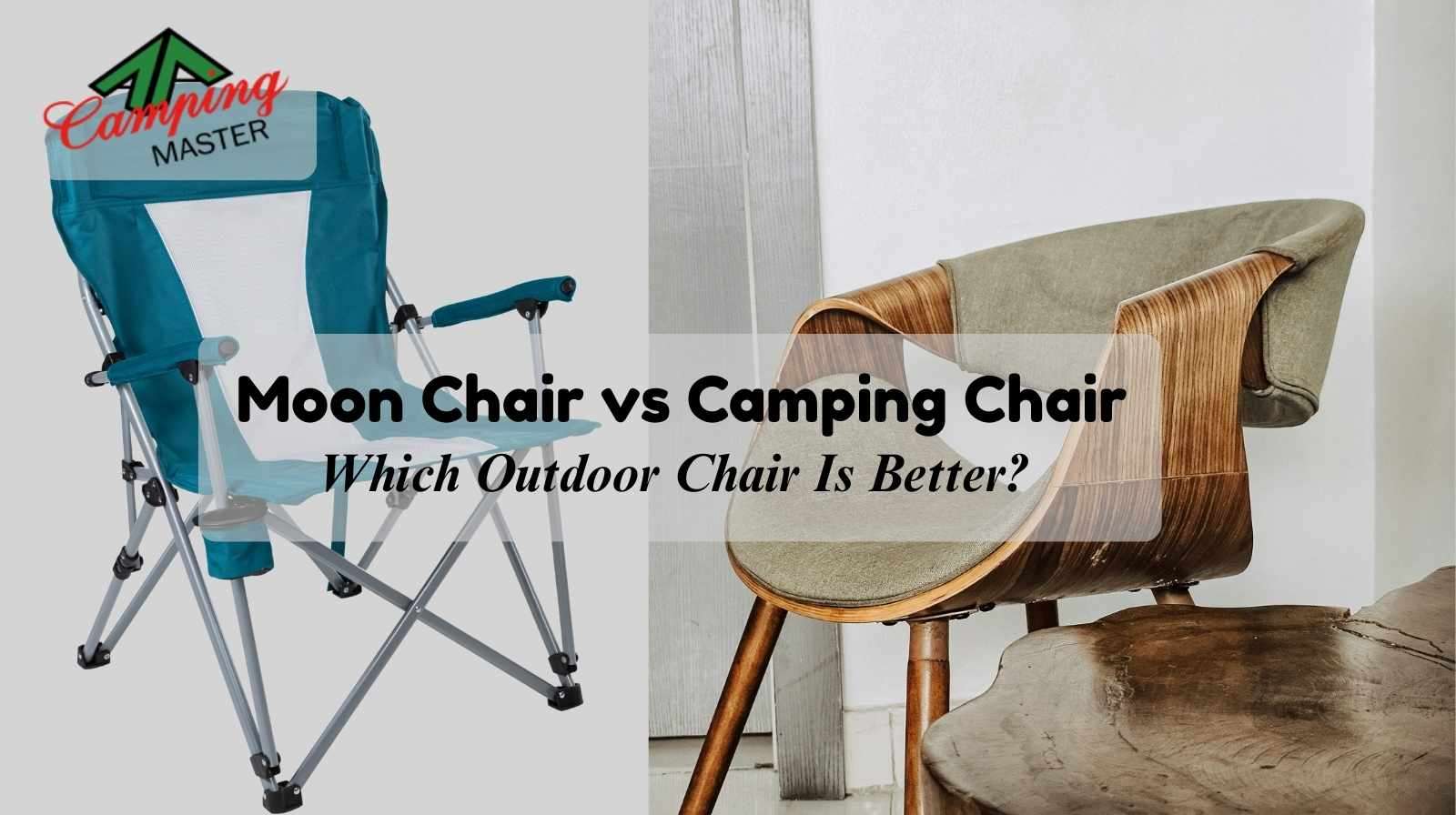
Buying an outdoor chair sounds simple until you realize how many “almost the same” options exist. Two types cause the most confusion for first-time buyers: the moon chair and the camping chair. Both promise comfort outdoors. Both look easy to own. And both can become a regret if you pick based on a photo instead of how you will use it.
This guide helps you choose with less risk, fewer returns, and fewer wasted weekends. You do not need technical knowledge. You do need clarity on where the chair will live, how often you will move it, and how much maintenance you can tolerate.
What you are really deciding
A moon chair is a comfort-first seat. It is meant to lounge. It often has a round, sling-like seat, or a hanging “cocoon” style. Many models are designed to stay put on a patio, deck, or indoor-outdoor room. They tend to take up space. They often look more like furniture than gear.
Contact Us for Moon Chair Bulk Supply
A camping chair is function-first seating. It folds. It travels. It stores fast. It is built for flexibility, not for becoming a permanent feature of your patio. Some camping chairs feel surprisingly good. Many do not, especially if you sit for long stretches.
If your priority is “a place to sink in after work,” you will lean one way. If your priority is “extra seating that disappears when I am done,” you will lean the other. You are not just choosing a shape. You are choosing a use pattern.
Define the two chair types in plain terms
A moon chair usually means one of two things in the outdoor category. The first is a low, round, saucer-style chair with a soft sling seat on a fixed frame. The second is a hanging moon or egg-style chair suspended from a stand. Both aim for a cradled, relaxed feel. They also tend to have a larger footprint than you expect. The photos rarely show the true space it consumes.
A camping chair is a folding chair with a fabric seat stretched over a collapsible frame. A standard design consists of armrests, and many feature a cup holder, and a carry bag. It may sit low or at standard dining height. This chair is quick and easy to setup and is lightweight so it can be moved easily. Every design feaure about this chair is made for easy portability and comfort and stability are a secondary priority.
Comfort and ergonomics: where first-time buyers misjudge
Comfort is where most people guess wrong because comfort has layers.
Moon Chair
Moon chairs deliver a much more comfortable sitting experience and feel soft. The seat shape can distribute pressure well. You can curl up. You can lean back without thinking much about posture. This makes them a favorite for people who want to lounge about and curl up in a chair to read or relax. The downside is access. Many moon chairs sit low. If you have knee or hip sensitivity, getting in and out can feel like a small workout. Hanging styles can resolve that, but the hanging chair always has a gentle sway, which some people love and others find annoying after ten minutes.
Camping Chair
Camping chairs have a lot of design variation. Some are firm and upright. Others recline. Some have padded seats. Many feel fine for an hour and then start to sag in the wrong places. The common issue in camping chair models is that they do not offer much shoulder and lower-back support. If the back is low, you may end up hunching. If the seat pan is narrow, you may feel perched. The best approach is to think about your longest typical sit. If your normal use is a ten-minute break, comfort is less critical. If your use is a full evening, it matters a lot.
Durability and weather resistance: what actually fails outdoors
Outdoor chairs fail in predictable ways. The parts deteriotation is always the same. Frames rust and fabric fades. Then the stitching splits and cushions trap moisture and grow mildew.
Source High Quality Moon Chair for Your Store
Moon Chair
Moon chairs often include thicker cushions or deeper fabric slings. That is great for comfort but risky in wet or humid climates if you leave them exposed. Cushions hold water longer than flat fabric. If you do not have a habit of storing cushions or covering the chair, you can end up with staining, odor, and shortened life. Hanging moon chairs also rely on a stand, a hook, and a connection point. If that hardware is poor, you will see squeaks, wobble, or wear sooner than you expect.
Camping Chair
Camping chairs tend to use quick-dry fabrics and simpler construction. They do better with surprise rain, but they are not immune to sun. UV exposure breaks down fabric fibers and causes fading. The weak points are usually the armrest seams, the corners where fabric is tensioned, and the hinge areas. If you intend to use the chair frequently, then reinforced fabric and solid joints are must-have features.
Portability and Storage: Which Chair Is Easier to Carry and Store?
Moon Chair
A moon chair is bulky and not easy to move. Even when it is technically movable, you cannot move it frequently, because it is a hassle. That matters if you need to clear space for a grill, or keep items tidy for a cleaner look. Hanging moon chairs also have a big size and that can hinder access by blocking walkways on smaller patios. If you plan to store it, measure your storage area first. Many people skip this and end up leaving it outside year-round because it will not fit through a door or into a closet.
Camping Chair
A camping chair is built for this problem. It folds and fits in a garage corner. It can be packed into a trunk. This makes it an excellent choice for homeowners who host often and need extra seats only sometimes. The risk is buying a chair that feels great in your hands but feels unstable on your patio surface. A chair that is easy to store is not useful if you do not trust it on your deck boards or pavers.
At-a-Glance Comparison Between Moon Chair and Camping Chair
|
Factor |
Moon Chair |
Camping Chair |
|
Best use |
Long lounging in one spot. |
Flexible seating you move often. |
|
Comfort feel |
Soft and cradling. |
Depends on model. Often firmer. |
|
Sitting posture |
Relaxed and reclined. |
More upright in many designs. |
|
Getting in and out |
Often low. Can be hard on knees. |
Usually easier. Many sit higher. |
|
Footprint on patio |
Large and noticeable. |
Smaller when set up. |
|
Storage |
Bulky. Some models do not store well. |
Folds fast. Stores small. |
|
Portability |
Limited. You may stop moving it. |
High. Made to travel. |
|
Weather tolerance |
Cushions can trap moisture. |
Fabric often dries faster. |
|
Sun exposure risk |
Cushion and fabric can fade. |
Fabric can fade. Frames may heat up. |
|
Stability |
Strong if built well, but can sway. |
Stable on flat ground. Can wobble on uneven spots. |
|
Maintenance |
More cleaning and drying time. |
Usually quick wipe-down. |
|
Style impact |
Looks like furniture. Makes a statement. |
Looks practical. Blends in. |
|
Typical buyer regret |
It takes more space than expected. |
It is less comfortable than expected. |
Setup and maintenance: time costs you should plan for
Moon Chair
Moon chairs often involve more setup, especially those who have a hanging design. Even if assembly is straightforward, the installation procedure is lenghtier and involves spending time tightening hardware, checking stability, and finding the right location. After setup, this type of chair also requires maintenance. You will likely spend time cleaning cushions. If you leave cushions outside, you will clean them more. If you store cushions inside, you will move them in and out. That routine is fine if you value comfort. It is frustrating if you want simple.
Camping Chair
Camping chairs are usually ready in seconds; all you have to do is unfold them. Maintenance is also simple and quick. Just wipe the frame and fabric and call it done. The hidden time cost is replacement. Low-end camping chairs wear out faster, especially at the seams and joints.
A practical rule is this: the more plush and furniture-like the chair feels, the more care it will ask from you.
Size and space: avoid the most common mistake
Moon Chair
Moon chairs can consume space in three directions. They need floor space. They need clearance around them so you can sit and stand. Hanging styles also need swing clearance. If the chair bumps a railing, a wall, or a table, you will not use it as intended. Measure your available area and then mentally subtract walking paths. If you are using a balcony, be conservative. Tight outdoor spaces punish oversized furniture.
Camping Chair
Camping chairs are easier to place because they can be folded and moved quickly. Still, consider how many you want. A common hosting mistake is buying several chairs that technically fit, but leave no room for people to move. If you are a host then only buy enough to fill the space without overcrowding it.
Safety and stability: what matters more than aesthetics
For moon chairs, stability depends on the base and the connection points. If it is a hanging chair, the stand must sit level. The hook and chain must have the correct load bearing rating. Hanging chairs especially need hardware with solid build quality as Low-quality hardware wears and loose bolts lead to wobble. If you have children who climb, a hanging chair changes from “relaxing” to “constant monitoring.”
For camping chairs, the biggest issues are pinched fingers at folding joints, tipping on uneven surfaces, and fabric failure under load. Weight capacity matters, but so does how weight is distributed. A chair can claim a high rating and still feel unstable if the legs are narrow or the seat sits too high for the base width. If you plan to use the chair on grass, gravel, or soft soil, choose a design that does not sink easily.
If you are trying to reduce risk, prioritize stability over style. A chair you do not trust becomes a chair you do not use.
Cost and value: how to spend without wasting money
Moon Chair
Moon chairs often cost more upfront, especially if they include a stand and thick cushions. But that high price is completely worth it if the chair is a crucial part if home comfort and is used frequently. In such a scenario, even the large size and maintenance need is also justified as the real measure of value is comfort. If it becomes your daily seat, the value is strong. If it is rarely used then the value drops fast.
Camping Chair
Camping chairs can be low cost, but the cheapest options are really flimsy and start failing pretty quickly. Seams start to tear and armrests collapse. If you buy for occasional use, mid-range is often the safest place to land. You get better build quality without paying for features you will not use.
Also factor in replacement parts and warranties. Some chairs have covers and cushions that you can replace. Some do not. If parts are not replaceable, any damage becomes a full replacement. That is a common hidden cost.
Conclusion
When you step into the marketplace to purchase you need to be clear about what your requirements are. A moon chair is a worthy choice when your primary goal is a dedicated comfort zone. You want a chair that feels like furniture. You have enough space to place it without crowding your patio. You are willing to cover it, store cushions, or accept faster wear. You want the chair to be part of the look of your outdoor area, not just something you pull out when needed.
Choose a camping chair when you need flexible seating that does not create a storage problem. You host a few times a year and need extra seats that disappear afterward. You may take it to games, parks, or campsites. You value speed and convenience over “sink-in” comfort. You want predictable ownership with minimal maintenance.
If you are still double-minded and confused between the two seating options , decide based on your most frequent use, not your ideal use. The chair that fits your weekly routine beats the chair that matches a once-a-season plan.
Importance Resources